News & Insights
News
Global Car Import Duties: Taxes and Costs to Know Before Importing from China
Global Car Import Duties: Taxes and Costs to Know Before Importing from China
News
2026-11-04
Sieton Auto Editorial
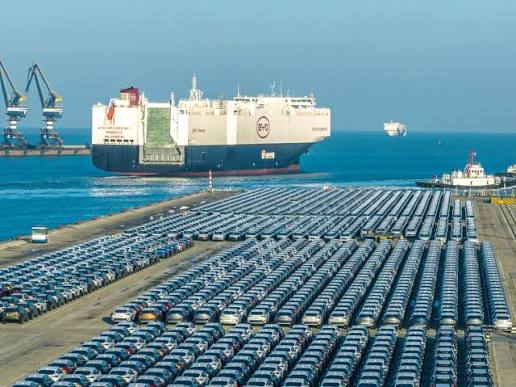
Importing cars from China? The vehicle price is only part of the total cost. Import duties, VAT, excise taxes and customs clearance fees can all affect the final purchase price. Understanding these costs before placing an order helps you calculate your budget and avoid unexpected expenses. What Costs Should You Expect When Importing a Car? […]
Importing cars from China? The vehicle price is only part of the total cost. Import duties, VAT, excise taxes and customs clearance fees can all affect the final purchase price. Understanding these costs before placing an order helps you calculate your budget and avoid unexpected expenses.
What Costs Should You Expect When Importing a Car?
The total cost of importing a vehicle usually includes several types of taxes and fees. The exact amount depends on the destination country, vehicle specifications, customs classification and local import regulations.
Import Duty
Import duty is a tax imposed by the destination country on imported vehicles. Rates vary from market to market and may depend on the vehicle’s HS code, country of origin, engine type and applicable trade agreements.
VAT or GST
Many countries charge Value Added Tax (VAT) or Goods and Services Tax (GST) on imported vehicles. The taxable amount may include the vehicle’s customs value, import duty and other applicable charges.
Excise Tax
Some markets impose additional taxes on vehicles based on engine displacement, fuel type, emissions or vehicle value. Electric vehicles, hybrid models and conventional fuel vehicles may be subject to different tax rules.
Customs Clearance and Other Fees
Importers should also budget for customs clearance, port handling, inspection, documentation and local transportation. These costs may seem relatively small compared with the vehicle price, but they can add up.
How Do Import Duties Differ Across Markets?
Car import duties and tax policies are not the same worldwide.
In Europe, vehicle imports are subject to customs duties, VAT and relevant technical and environmental requirements. Additional measures may apply to certain vehicle categories or countries of origin.
In the Middle East, import costs vary by country. Import duty, VAT and vehicle conformity requirements should be checked before shipment. For example, GCC-related standards may apply to vehicles entering certain Gulf markets.
In North America, customs duties, taxes and trade measures can vary significantly depending on the country and vehicle origin. Importers should check the latest regulations before confirming an order.
In South America, import taxes can be relatively complex. Some countries apply multiple taxes and fees, while vehicle age, engine type and local import restrictions may also affect eligibility and costs.
Across Asia, regulations differ widely. Some markets have specific requirements for vehicle age, emissions, steering position and import permits.
Importers should always confirm the current rules with local customs authorities or a qualified customs broker. Tax rates and import requirements may change, so information from previous shipments should not be treated as a guarantee for future orders.
How to Calculate the Total Import Cost
When importing vehicles from China, buyers should look beyond the purchase price and consider the full Total Landed Cost.
A basic calculation should include:
- Vehicle purchase price
- International shipping and insurance
- Import duties
- VAT, GST or excise taxes
- Customs clearance and port charges
- Local transportation and other applicable fees
The final cost depends on the destination market and the specific vehicle. Buyers should calculate these expenses before confirming an order to understand the actual investment required.
What Should Buyers Confirm Before Placing an Order?
Before purchasing vehicles from China, overseas dealers and importers should pay attention to five key points.
First, confirm the vehicle’s model, production year and specifications. Different versions of the same model may have different prices and equipment.
Second, check the applicable import regulations in the destination country, including vehicle age limits, emissions standards and technical certification requirements.
Third, confirm the HS code and the taxes applicable to the vehicle. Do not assume that different models or powertrains are subject to the same tax rate.
Fourth, calculate shipping, customs clearance and local delivery costs. These expenses should be included in the purchasing budget.
Finally, check whether the supplier can provide the necessary export documents and vehicle information for the destination market.
Work with an Experienced China Car Export Partner
Importing vehicles involves more than finding a competitive purchase price. Vehicle sourcing, export documentation, shipping arrangements and destination requirements all need to be considered.
Sieton Auto provides vehicle sourcing and export services for overseas dealers and business buyers. With access to manufacturer and authorized dealership resources, we help customers source vehicles from China and coordinate the export process.
Whether you are purchasing a single model or planning bulk orders, understanding the import costs and requirements in advance can make your purchasing decisions more practical.
Contact Sieton Auto to discuss your vehicle sourcing and export requirements.
Online · replies within minutes
Hi there! Need help finding a vehicle or getting a quote? Chat with our team on WhatsApp.
+86 131 2070 2093