新闻与洞察
新闻
谁申请中国车辆出口许可证?海外买家需要了解的事项
谁申请中国车辆出口许可证?海外买家需要了解的事项
新闻
2026-11-16
Sieton Auto 编辑
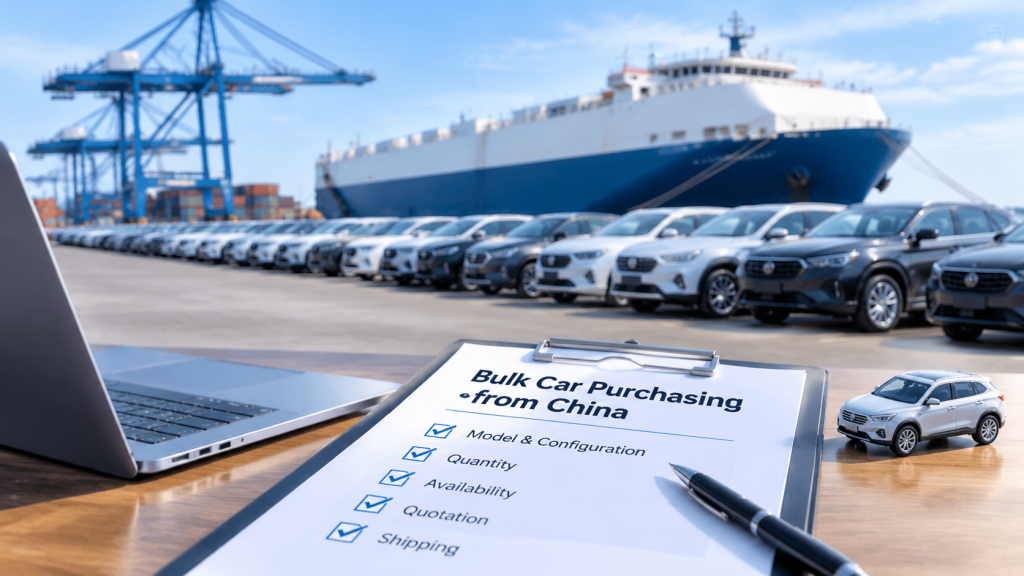
When purchasing vehicles from China, overseas buyers usually focus on vehicle models, prices, order quantities, and shipping arrangements. However, export licensing is another important part of the transaction. Understanding China’s export requirements in advance can help buyers and suppliers organize the purchasing process more efficiently and avoid unnecessary delays caused by documentation or qualification issues. […]
When purchasing vehicles from China, overseas buyers usually focus on vehicle models, prices, order quantities, and shipping arrangements. However, export licensing is another important part of the transaction. Understanding China’s export requirements in advance can help buyers and suppliers organize the purchasing process more efficiently and avoid unnecessary delays caused by documentation or qualification issues.
1. Who Applies for a Vehicle Export License in China?
In general, the vehicle export license is applied for by the China-based company responsible for exporting the vehicles. Overseas buyers do not normally need to apply directly to China’s relevant authorities.
Under China’s vehicle export management rules, companies engaged in vehicle exports must meet the applicable requirements and obtain export licenses in accordance with the relevant regulations. The Ministry of Commerce, together with other government departments, publishes lists of eligible companies. Qualified exporters can then apply for licenses for their export transactions.
For overseas buyers, the key point is to confirm whether the Chinese supplier or exporting company meets the relevant requirements and can complete the necessary licensing and export procedures.
2. Which Vehicles Require an Export License?
China’s export licensing system covers more than new energy vehicles. Under the 2026 Catalogue of Goods Subject to Export Licensing Administration, vehicles and certain related products are subject to licensing requirements. The specific rules may differ between new and used vehicles.
In addition, Announcement No. 54 of 2025, issued by China’s Ministry of Commerce and three other government departments, introduced export license management for pure electric passenger vehicles within the specified scope, effective January 1, 2026. The relevant reference HS code is 8703801090.
It is important to note that export requirements cannot be determined by vehicle model name alone. The vehicle’s powertrain, customs classification, and actual export circumstances must all be considered. Pure electric vehicles, plug-in hybrid vehicles, and gasoline-powered vehicles may be subject to different requirements.
3. What Should Overseas Buyers Confirm Before Placing an Order?
Although the export license is generally handled by the Chinese exporting company, overseas buyers should still clarify several important details before confirming a purchase.
First, check whether the supplier meets the applicable requirements for vehicle exports. This is particularly important when purchasing used vehicles or pure electric passenger vehicles, as additional licensing rules may apply.
Second, make sure the information in the sales contract, commercial invoice, and other transaction documents is consistent. Details such as the vehicle brand, model, VIN, and order quantity should be accurate to avoid problems during export declaration and documentation checks.
Buyers should also review the import regulations of their destination country in advance. These may include vehicle eligibility standards, certification requirements, import duties, taxes, and customs clearance documents. A Chinese export license only addresses China’s export requirements; it does not automatically mean that the vehicle meets the import requirements of the destination market.
4. Why Is It Important to Confirm Export Procedures in Advance?
For overseas dealers, purchasing vehicles from China involves more than comparing vehicle prices. The supplier’s export capabilities, document preparation, and shipping arrangements are also important considerations.
For bulk orders, buyers are advised to clarify the exporting entity, responsibility for obtaining the required licenses, estimated delivery schedule, and relevant documentation before paying a deposit or signing a contract.
Sieton Auto provides overseas vehicle dealers with services covering vehicle sourcing in China, export documentation, international logistics, and overseas delivery arrangements. We focus on coordinating purchasing requirements with export arrangements, helping buyers better understand the key stages involved in sourcing vehicles from China.
Confirming export requirements in advance can reduce uncertainty during a transaction and help make subsequent shipping and delivery arrangements smoother.