

 English
-
 繁體中文
繁體中文 -
中文
-
English


China's auto export landscape undergoes major reshuffle: Mexico's rise and Russia's sharp decline serve as a warning
Author:Shanghai Sieton Group Co.,Ltd.,
Click:
Time:2025-08-08 13:50:49
China's auto export market showed significant structural adjustments in the first half of 2025, with changes in three major markets, Mexico, the UAE, and Russia, worthy of careful consideration.
First, Mexico's rise against the trend to become China's largest auto exporter demonstrates the initial success of China's brand globalization strategy. Previously, Mexico was viewed as a transit point for Chinese automakers entering the US market, but data shows that domestic consumption has become a key driver. In particular, popular models from brands like BYD have penetrated the market and seen significant growth in consumer acceptance. This not only demonstrates the growing competitiveness of Chinese automotive technology and products, but also demonstrates that Chinese brands are gradually shedding the label of 'cheap OEM' and transitioning towards a quality and innovation-driven approach.

Secondly, the UAE's position as a regional import hub in the Middle East is solid. Thanks to its competitive pricing and the flexibility afforded by the parallel import model, brands like Geely have rapidly expanded into the regional market, driving demand in neighboring countries. Chinese automakers have driven rapid export growth through localized operations and multi-channel sales strategies, demonstrating their ability to flexibly adapt to diverse market conditions.
However, the sharp decline in the Russian market has sounded a warning. Dual policy pressures—repeated increases in import scrappage taxes and a central bank lending rate as high as 18%—have directly driven up vehicle prices and severely curbed consumer purchasing power. The inventory pressures and sales difficulties faced by Chinese automakers in Russia reflect the impact of political and economic risks in overseas markets on their export businesses. This serves as a reminder for Chinese automakers to strengthen their proactive assessment of policy risks and diversify their strategies when expanding into overseas markets, avoiding overreliance on a single market.
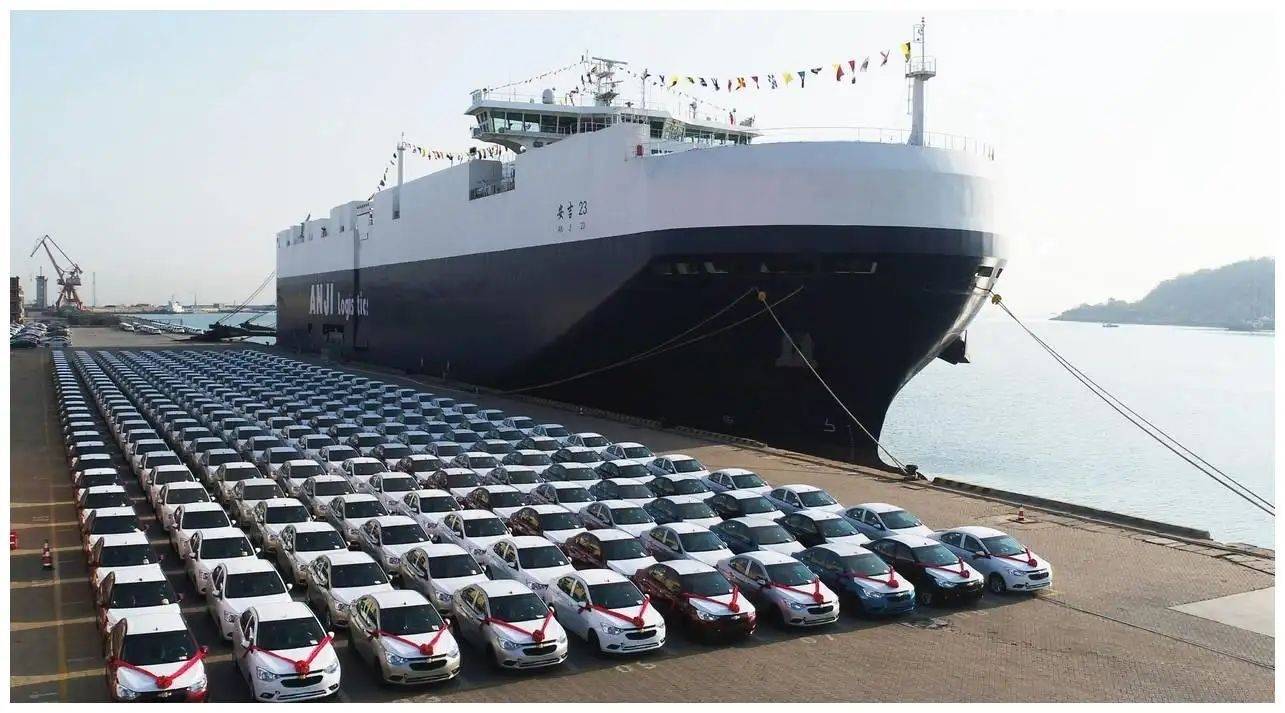
Overall, China's auto exports are undergoing a profound structural adjustment, with export destinations becoming increasingly diversified. Quality improvement and brand building are becoming core competitive advantages. Faced with the complex and volatile global economic landscape, flexible adaptation and risk management will be key for Chinese automakers to continue expanding into international markets.
 Katy
Katy
